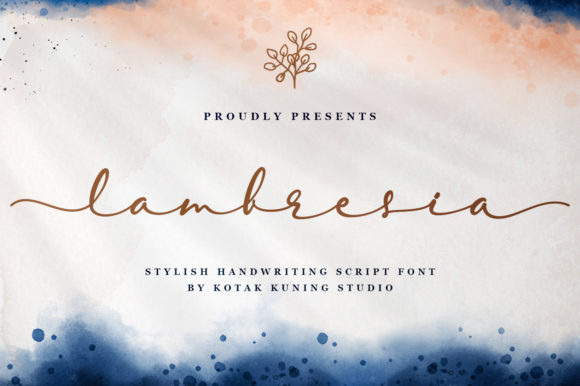
Unlocking the Authentic Charm of Lambresia
In a digital landscape often cluttered with generic, mass-produced typefaces, finding a font that truly resonates can feel like searching for a needle in a haystack. This is where Lambresia steps in as a distinct solution. It is not merely another script font; it is a cool and charming script with a unique feel that brings an authentic charm to any project. Whether you are a seasoned graphic designer, a small business owner crafting a brand identity, or a blogger looking to add personality to your posts, understanding the nuances of this typeface is essential for achieving professional results.
Many users initially approach script fonts with high hopes but quickly encounter frustration when the final output looks messy or unprofessional. The allure of Lambresia lies in its ability to balance elegance with readability, yet this balance is easily disrupted if the font is used without proper context or technical knowledge. Before you download or purchase, it is crucial to recognize that the value of a font is not just in its visual appeal, but in how well it functions within your specific workflow and design ecosystem.
The Hidden Pitfalls of Script Typography
One of the most common mistakes creators make when evaluating Lambresia is assuming that a beautiful script automatically translates to better communication. While the font possesses a captivating style, using it indiscriminately can lead to significant usability issues. A frequent error is applying the script to large blocks of text. Unlike sans-serif or serif body fonts, scripts are designed for headlines, accents, and short phrases. When stretched across paragraphs, the intricate details of the characters become difficult to decipher, causing readers to disengage immediately.
Another overlooked detail involves the pairing of Lambresia with other typefaces. Many beginners select a random sans-serif font to complement the script, only to find that the two styles clash rather than harmonize. This mismatch creates a disjointed visual hierarchy that confuses the audience. If the contrast between the script and the supporting text is too extreme, the message loses its impact. Conversely, if the pairing is too similar, the unique character of Lambresia gets lost, rendering the investment in the font pointless.
There is also a technical misunderstanding regarding resolution and scaling. Because scripts often feature fine lines and delicate flourishes, they require high-resolution rendering to maintain their integrity. Using Lambresia at very small sizes on low-density screens can cause the strokes to break or blur, destroying the "authentic charm" that makes the font special. This is particularly critical for web designers who might forget to optimize font files for mobile devices, leading to a poor user experience on smartphones.
Why Context Matters More Than Style
Understanding the intended application of Lambresia is the key to avoiding these pitfalls. The font is versatile, but it is not a universal fix. For instance, a luxury wedding invitation benefits immensely from the fluidity of this script, whereas a financial report or a technical manual would be severely compromised by its use. The mistake here is not in the font itself, but in ignoring the tone of the medium. When the typography contradicts the content, the credibility of the entire project suffers.
Furthermore, entrepreneurs and marketers often overlook the importance of licensing when selecting a typeface. Some versions of popular scripts come with strict usage rights that limit commercial applications. Failing to check the license agreement before integrating Lambresia into a logo or marketing campaign can lead to legal complications and unexpected costs. It is always safer to verify the terms of use to ensure that your intended use case—whether it is personal, educational, or commercial—is fully covered.
Practical Strategies for Effective Implementation
To harness the full potential of Lambresia, you must adopt a strategic approach to its usage. Start by testing the font in various contexts before committing to a final design. Create mockups for headlines, social media graphics, and website headers to see how the characters interact with different backgrounds and lighting conditions. This practical step allows you to spot potential legibility issues early in the process.
- Check Character Spacing: Scripts rely heavily on kerning (the spacing between pairs of letters). Lambresia may look perfect in isolation, but words can appear too tight or too loose depending on the combination of letters. Always adjust tracking manually to ensure a balanced flow.
- Maintain Visual Hierarchy: Use Lambresia sparingly. Let it serve as the hero element while keeping supporting text simple and neutral. This ensures that the reader's eye is drawn to the most important information first.
- Optimize for Web: If you are using the font online, convert it to web-safe formats like WOFF2. This ensures that the fine details remain crisp across all browsers and devices, preserving the quality of the design.
For educators and freelancers, the lesson extends to consistency. Once you have established Lambresia as part of your brand voice, do not switch it out frequently. Consistency builds recognition, and the unique feel of this script should become synonymous with your identity over time. However, avoid forcing it into every single piece of content. Strategic placement yields far better results than constant repetition.
Evaluating Quality Before You Buy
Before making a decision to acquire Lambresia, take the time to evaluate the font file thoroughly. Look for a comprehensive character set that includes ligatures, alternate glyphs, and punctuation marks. These features are what give a script its authentic charm and allow for dynamic, hand-written variations. A basic version lacking these options will feel rigid and artificial, defeating the purpose of choosing a script font.
Additionally, read reviews from other professionals who have used the typeface. Their insights can reveal hidden bugs, compatibility issues with specific software, or limitations in the font weights available. By gathering this intelligence, you protect yourself from investing in a product that does not meet your technical requirements. Remember, a font is a long-term asset; it should support your work for years, not just for a single project.
The journey to mastering typography is about more than just picking something that looks good. It requires a thoughtful consideration of function, audience, and technical constraints. By avoiding common errors and focusing on practical application, you can leverage the cool and charming nature of Lambresia to create designs that are both visually stunning and highly effective. Whether you are designing a boutique logo or a personal blog, this font offers a unique opportunity to stand out in a crowded digital world.
Ultimately, the goal is to let the typography enhance your message, not overshadow it. When used correctly, Lambresia becomes a silent partner in your creative process, adding a layer of sophistication and warmth that plain fonts simply cannot achieve. Take the time to understand its strengths and limitations, and you will find that the authentic charm of this script is exactly what your project needs to succeed.