Retrogram: The Monoline Script That Revives Mid-Century Charm
In an era where digital design often leans towards minimalism and stark geometric precision, there is a growing desire to inject warmth, personality, and a touch of history into visual communication. Enter Retrogram, a stunning monoline script font that oozes charm, character, and charisma. This typeface is not merely a collection of letters; it is a curated experience designed to transport viewers back to the carefree elegance of mid-century signage, classic soda labels, and the vibrant spirit of retro Americana.
When you select Retrogram for your next project, you are choosing more than just a font file. You are selecting a time machine for your creativity. Crafted with meticulous detail, each curve and stroke dances with fluidity, bringing an effortless rhythm to your designs. Whether you are crafting a bold movie title, an iconic brand logo, or an eye-catching headline, this typeface demands attention without screaming for it, glowing with a quiet confidence that resonates deeply with audiences.
The Essence of Mid-Century Elegance
To understand the value of Retrogram, one must first appreciate the aesthetic movement that inspired it. The mid-20th century was a period of optimism and artistic experimentation in America. Signage from diners, neon-lit motels, and product packaging for everything from soda to cigarettes featured hand-lettered scripts that felt personal and inviting. These designs were never rigid; they flowed like water, capturing the energy of the times.
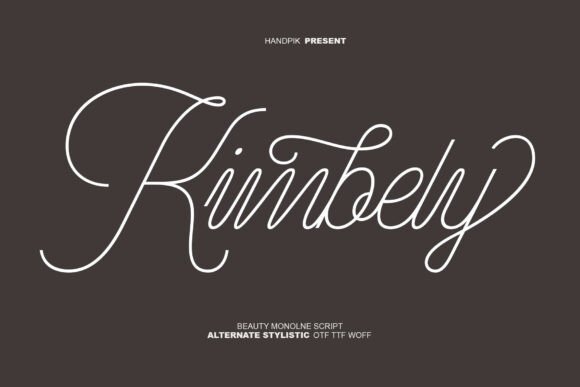
Retrogram captures this essence perfectly. It avoids the stiffness of modern sans-serifs while steering clear of the overly ornate flourishes found in Victorian scripts. Instead, it strikes a balance where every letter connects with a smooth, continuous line. This monoline quality means that the weight of the stroke remains consistent throughout, creating a sense of unity and flow that is visually pleasing and easy to read. For designers seeking to evoke a specific mood without relying on complex imagery, this font provides an immediate atmospheric shift.
The font does not whisper nostalgia; it sings it in bold neon. If your project needs heart, flair, and timeless style, this is the tool that delivers it all. It transforms a standard layout into a narrative, inviting the reader to step into a world where things were made with care and where typography played a central role in storytelling.
Key Characteristics and Design Features
Beyond its nostalgic appeal, Retrogram offers practical features that make it a versatile asset for professionals and creators alike. The construction of the font is built on principles of readability and adaptability, ensuring that it works well in various contexts.
- Fluid Connectivity: The monoline structure ensures that letters link together naturally, mimicking the look of a single, unbroken brushstroke. This creates a cohesive word shape that is distinct and memorable.
- Varied Weights and Styles: While the core identity is monoline, many variations include alternate characters and ligatures. These subtle details allow users to customize the look of their text, adding extra swashes or tightening spacing for a tighter, more professional finish.
- High Legibility: Despite its decorative nature, the open counters and clear forms ensure that the text remains legible even at smaller sizes. This makes it suitable for headlines, subheadings, and short body text in display settings.
- Versatile Application: The font is optimized for both print and digital media. Its clean lines render sharply on high-resolution screens, while maintaining its texture and feel when printed on paper or signage.
These characteristics mean that Retrogram is not limited to just one type of project. Its flexibility allows it to adapt to different brand voices, provided the overall tone aligns with the vintage aesthetic.
Practical Applications for Modern Creators
So, where exactly can you use Retrogram? The possibilities are vast, ranging from commercial branding to personal creative projects. Because the font carries such a strong emotional weight, it is best suited for applications where atmosphere is just as important as information.
- Brand Identity and Logos: For businesses in the food and beverage industry, boutique retail, or lifestyle brands, Retrogram can serve as the cornerstone of a visual identity. A coffee shop, a craft brewery, or a vintage clothing store could use this font to instantly communicate quality and heritage. It adds a layer of authenticity that modern fonts sometimes struggle to achieve.
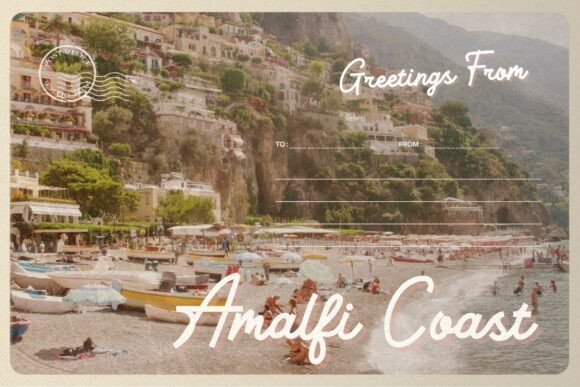
- Event Invitations and Stationery: Weddings, parties, and corporate galas often benefit from the romantic and elegant feel of script fonts. Retrogram offers a sophisticated alternative to traditional calligraphy, providing a polished look that feels both special and accessible. It works beautifully on wedding invitations, menus, and place cards.
- Packaging Design: In a crowded marketplace, packaging needs to stand out. Applying Retrogram to product labels can give a mass-produced item a handmade, artisanal feel. Think of gourmet jams, organic skincare products, or limited-edition spirits where the story behind the product is as important as the product itself.
- Digital Marketing and Social Media: In the fast-paced world of social media, visuals stop the scroll. Headlines for blog posts, Instagram captions, or email marketing campaigns can utilize Retrogram to create a focal point. When used sparingly, it draws the eye immediately and sets a playful or elegant tone for the content that follows.
- Movie Titles and Posters: For film enthusiasts or indie filmmakers, the font is perfect for evoking a specific era. Whether it is a 1950s noir thriller or a lighthearted comedy set in the suburbs, Retrogram can establish the setting before a single scene plays.
Evaluating Suitability for Your Project
While Retrogram is powerful, it is not a universal solution. Understanding its strengths and limitations is crucial for making the right design decision. The primary strength of the font lies in its ability to convey emotion and style. It excels in display roles where the text is meant to be seen and felt rather than read in bulk.
However, there are considerations to keep in mind. Because of its decorative nature, it may not be the best choice for long-form body text. Reading paragraphs of script can be fatiguing for the eyes, so it is generally recommended to pair Retrogram with a neutral, highly readable sans-serif or serif font for supporting text. This combination creates a harmonious hierarchy, allowing the script to shine as the headline while the secondary text provides clarity.
Additionally, the "retro" vibe is a double-edged sword. If your brand is aiming for a futuristic, ultra-modern, or strictly corporate image, Retrogram might clash with those goals. It is most effective when the project theme aligns with vintage aesthetics, craftsmanship, or a sense of fun. Before committing to the font, ask yourself: Does this design need a story? Is there a sense of history or playfulness that needs to be communicated? If the answer is yes, Retrogram is likely an excellent fit.
Maximizing Impact Through Thoughtful Usage
To get the most out of Retrogram, designers should focus on pairing and spacing. The fluid nature of the letters means that kerning (the space between individual letters) requires careful adjustment. Tightening the spacing can create a tight, dynamic feel, while loosening it can add a sense of luxury and breathability. Experimenting with these variables can transform the font from a simple decoration into a sophisticated design element.
Color also plays a significant role. While black and white are always classic choices, Retrogram truly comes alive with color. Pairing it with warm tones like burnt orange, mustard yellow, or deep teal can enhance the mid-century feel. Conversely, using it against a dark background with neon accents can evoke the electric energy of a city street at night.
Ultimately, the goal of using Retrogram is to create a connection. In a digital landscape filled with generic templates and standardized fonts, a custom, character-rich typeface stands out. It tells the viewer that someone took the time to choose something special, something with soul. By integrating Retrogram into your workflow, you are not just selecting a font; you are curating an experience that honors the past while speaking to the present.
Whether you are a seasoned graphic designer looking to expand your toolkit or a small business owner wanting to elevate your brand's visual presence, Retrogram offers a reliable path to creating designs that are both beautiful and meaningful. It proves that good design is about more than just function; it is about feeling, memory, and the enduring power of a well-crafted letter.