Hellifa: Elevating Handcrafted Design with Modern Calligraphy
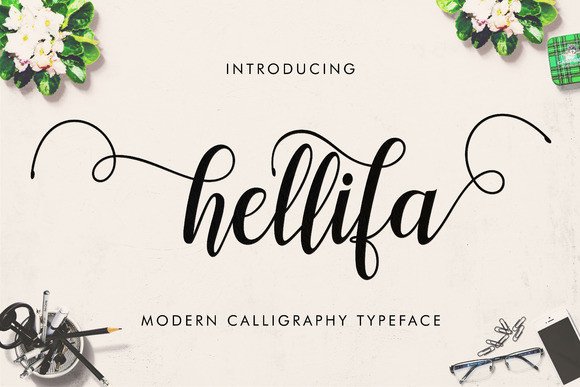
There is a distinct moment when a design shifts from merely functional to genuinely memorable. It often happens when the typography stops being just text and starts behaving like an artist. This is where Hellifa enters the conversation. As a modern handmade script with a calligraphic style, it does not simply sit on the page; its decorative letters dance on the screen, bringing a sense of movement and personality that standard typefaces often struggle to achieve.
For professionals, creators, and small business owners looking to elevate their visual communication, finding a font that balances elegance with usability can be a challenge. Many script fonts are either too rigid or lack the necessary character support for complex projects. Hellifa solves this by offering 774 unique glyphs while maintaining the fluid, organic feel of hand-lettering. Whether you are designing wedding invitations, crafting thank-you notes, or creating eye-catching posters, this typeface provides the perfect blend of artistic flair and technical reliability.
The Artistic Impact of a Dynamic Script
In a digital landscape saturated with uniform sans-serifs and rigid serifs, a handwritten aesthetic stands out because it feels human. The value of Hellifa lies in its ability to mimic the imperfections and flow of real ink on paper. When used correctly, it transforms a standard document into a piece of art. This is particularly relevant for entrepreneurs and marketers who need to establish a brand voice that feels personal and approachable rather than corporate and distant.
Imagine sending a thank-you note to a valued client or a partner. A standard font conveys the message, but a script like Hellifa conveys appreciation. The decorative elements add a layer of thoughtfulness that suggests time and care were invested in the creation. For bloggers and educators, using this font for headers or pull quotes can break up dense blocks of text, guiding the reader's eye and making the content more engaging without sacrificing readability.
The "dancing" nature of the letters refers to the varied stroke weights and connecting lines that give the text a rhythmic quality. This dynamic quality is essential for posters and event flyers where capturing attention within seconds is critical. By introducing a sense of motion, Hellifa invites the viewer to look closer, increasing the likelihood that your message will be read and retained.
Bridging Creativity and Technical Accessibility
One of the most significant hurdles designers face when adopting custom scripts is compatibility. Often, a beautiful font looks great in Adobe Illustrator but becomes unusable in other applications due to encoding issues or missing characters. Hellifa addresses this pain point directly through PUA (Private Use Area) encoding. This technical feature ensures that all 774 unique glyphs are easily accessible across a wide range of software platforms.
This level of accessibility means you are not locked into a specific ecosystem. You can seamlessly transition between professional design tools and everyday productivity software without losing any part of the font's character set. Professionals working in Microsoft Word for internal documents, or hobbyists using PicMonkey for social media graphics, will find that every special character, ligature, and alternate glyph is available exactly where they expect it to be.
The ability to access the full library of glyphs in Cricut Design Space or Silhouette Studio is particularly transformative for makers and crafters. These users often rely on cutting machines to produce physical goods, such as vinyl decals or printed cards. With Hellifa, you can utilize the entire range of decorative variations to create intricate designs that would otherwise require manual drawing or complex workarounds. This efficiency allows creators to focus on the design concept rather than troubleshooting font limitations.
Practical Applications Across Industries
The versatility of Hellifa makes it suitable for a diverse array of use cases, each requiring a different balance of formality and creativity. Understanding where this font fits best can help you maximize its potential in your own projects.
- Event Planning and Invitations: For weddings, anniversaries, or galas, the tone must be elegant yet welcoming. Hellifa provides the sophistication of traditional calligraphy with the modern twist needed for contemporary events. Its 774 glyphs allow for extensive customization, ensuring that names and dates can be styled uniquely to match the event theme.
- Small Business Branding: Coffee shop menus, boutique packaging, and artisanal product labels benefit from the handmade aesthetic. Using Hellifa helps small business owners differentiate themselves from competitors who use generic templates. It signals quality and craftsmanship, which resonates strongly with consumers seeking authentic products.
- Content Creation and Blogging: Visual consistency is key for bloggers. Incorporating Hellifa as a display font for titles or section headers creates a cohesive visual identity. It adds a touch of warmth to digital content, making long-form articles feel less sterile and more inviting to read.
- Educational Materials: Teachers and educators can use this font to create worksheets, certificates, and classroom decorations that feel special to students. The playful yet legible nature of the script can make learning materials more appealing to younger audiences without compromising clarity.
Considerations for Effective Usage
While Hellifa offers remarkable flexibility, it is important to apply it with intention. Like any script font, it is most effective when used for headlines, short phrases, or decorative accents rather than large blocks of body text. Overusing decorative letters can reduce readability and fatigue the reader's eyes. The goal is to enhance the message, not obscure it.
Additionally, while the PUA encoding opens doors to many applications, users should always verify the rendering in their specific workflow before finalizing a project. Although the font is designed for broad compatibility, some older versions of software or specific operating systems might handle Private Use Area characters differently. Testing a sample text in the intended output format is a prudent step to ensure the 774 glyphs appear as expected.
Furthermore, pairing Hellifa with complementary fonts is crucial for a balanced design. Because the script is so expressive, it pairs well with clean, neutral sans-serif fonts for supporting text. This contrast allows the decorative letters to shine while maintaining the structural integrity of the layout. This combination strengthens communication by ensuring that the hierarchy of information is clear.
Empowering Your Creative Workflow
Ultimately, the decision to incorporate a specialized font like Hellifa comes down to how it supports your goals. For freelancers and agencies, having a reliable, versatile tool in your arsenal saves valuable time. Instead of searching for multiple fonts to achieve a specific look, you have one comprehensive solution that covers a vast range of stylistic needs.
The reduction in friction between creative vision and technical execution is a significant benefit. When you know that every glyph you want is available in your design software, you can experiment more freely. This freedom often leads to better results, as you are not constrained by the limitations of your tools. Whether you are a marketer crafting a campaign poster or a publisher designing a book cover, Hellifa provides the foundation for high-quality, personalized typography.
By choosing a font that respects both tradition and modern technology, you align yourself with a workflow that values precision and aesthetics equally. Hellifa is not just a collection of characters; it is a tool that empowers you to communicate with greater depth and style. As you explore its capabilities, you may find that it becomes an essential element in your creative process, helping you turn ordinary projects into extraordinary experiences.