Wisher: Elevating Design Workflows with Elegant and Bouncy Script Typography
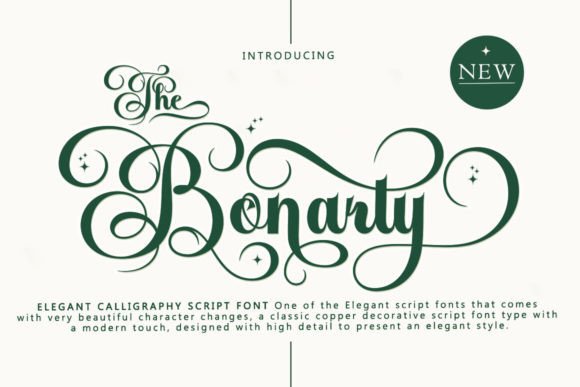
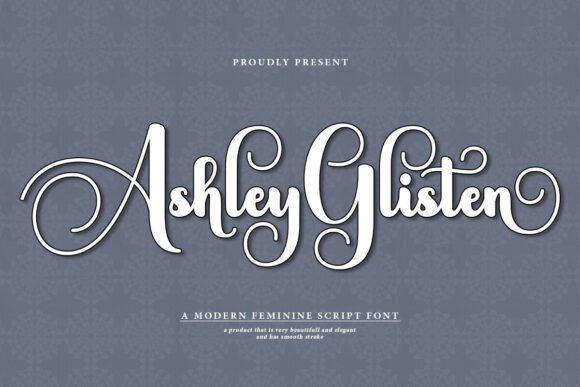
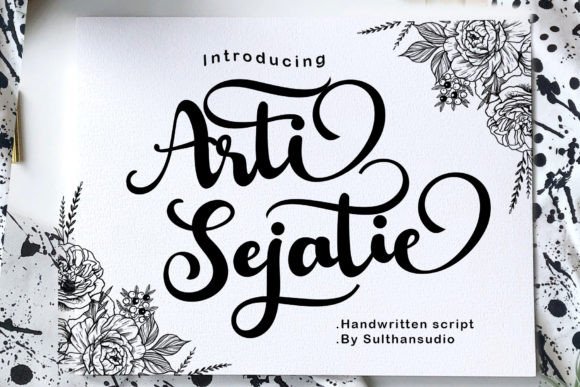
In the rapidly evolving landscape of digital and print design, selecting the right typography is often the difference between a project that feels generic and one that resonates deeply with its intended audience. Wisher has emerged as a compelling choice for professionals and creators who need to inject personality into their work without sacrificing readability or structural integrity. This script font is defined by its elegant curves and bouncy rhythm, making it an ideal asset for projects ranging from high-end wedding invitations to rustic farmhouse branding.
Understanding where Wisher fits within your broader creative process requires looking beyond simple aesthetics. It is not merely a decorative element; it is a strategic tool that influences the tone, hierarchy, and emotional impact of a design. Whether you are a small business owner launching a product line, a freelancer managing client deliverables, or a hobbyist creating personalized gifts, integrating Wisher into your workflow can streamline your decision-making and enhance the final output quality.
Defining the Role of Wisher in Modern Design Processes
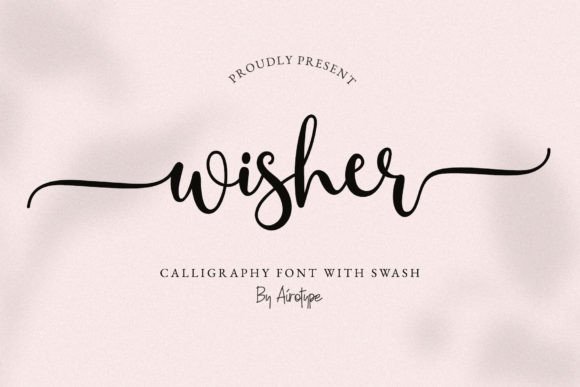
Before diving into specific applications, it is essential to define what makes Wisher distinct. As a script font, it mimics the fluid motion of handwriting but offers the consistency required for professional production. The "bouncy" nature of the letterforms suggests movement and joy, while the underlying elegance ensures it remains legible even at smaller sizes or when paired with complex backgrounds.
In a practical workflow, Wisher serves as a primary voice or a supporting accent depending on the volume of text required. Unlike heavy display fonts that demand attention, Wisher invites the viewer in. For educators or bloggers, this font can soften the presentation of instructional materials, making learning feel more approachable. For marketers, it provides a human touch that algorithms often struggle to replicate, bridging the gap between automated content and personal connection.
The versatility of Wisher allows it to function across various stages of a project lifecycle. During the conceptual phase, it helps establish a mood board that communicates warmth and sophistication. In the execution phase, it acts as a visual anchor that ties disparate elements together. When reviewing final assets, designers can use Wisher to ensure that the brand voice remains consistent across all touchpoints, from digital screens to physical packaging.
Strategic Applications Across Industries
The utility of Wisher extends far beyond traditional graphic design studios. Its adaptability makes it a valuable resource for entrepreneurs and small business owners looking to differentiate their brands in crowded marketplaces. Here is how different sectors can leverage this font to achieve specific outcomes:
- Wedding and Event Planning: In the event industry, details matter immensely. Wisher is perfectly suited for invitation suites, seating charts, and table numbers. Its bouncy vibe adds a celebratory feel, while its elegance ensures the event maintains a sense of formality. Integrating this font early in the planning process ensures that the stationery aligns with the venue's aesthetic and the couple's vision.
- Retail and Sublimation: For sellers utilizing sublimation printing on mugs, t-shirts, and tote bags, legibility is key. Wisher's open counters and distinct character shapes translate well to curved surfaces and textured fabrics. Small business owners can use this font to create cohesive product lines that look custom-made rather than mass-produced.
- Farmhouse and Rustic Branding: Despite its elegant qualities, Wisher pairs exceptionally well with serif and sans-serif fonts to create a modern farmhouse aesthetic. By combining the script with clean, blocky typefaces, designers can achieve a balance of rustic charm and contemporary polish. This combination is highly effective for bakery logos, boutique signage, and agricultural product labels.
- Personalized Gifting and Stickers: In the era of e-commerce and direct-to-consumer sales, customization is a major selling point. Wisher allows creators to offer personalized stickers, birthday cards, and party favors that feel bespoke. The font's playful nature makes it ideal for children's parties or milestone celebrations like graduations and anniversaries.
Integrating Wisher into Your Creative Workflow
Successful implementation of any design asset relies on preparation and compatibility. Before importing Wisher into your design software, whether it be Adobe Illustrator, Canva, or Affinity Designer, ensure you have the correct file formats installed. Most professional workflows require OpenType (.otf) or TrueType (.ttf) files for maximum flexibility. Verify that the font supports the necessary ligatures and alternate characters, which are crucial for maintaining the natural flow of script text.
One common pitfall in using script fonts is overuse. To maintain efficiency and quality control, establish clear guidelines for when to use Wisher versus other typefaces. A robust workflow involves creating a style guide that dictates font pairing. For instance, pair Wisher with a sturdy sans-serif for body text to ensure readability, reserving the script for headlines and call-to-action elements. This hierarchical approach prevents visual clutter and guides the user's eye through the content logically.
When working with clients, communication regarding font usage is vital. Explain the rationale behind choosing Wisher based on the project goals. If the objective is to convey luxury, highlight the elegant strokes. If the goal is fun and energetic, emphasize the bouncy terminals. This transparency builds trust and ensures that the final design meets the stakeholder's expectations before production begins.
Tips for Seamless Execution
To maximize the potential of Wisher in your projects, consider these practical implementation strategies:
- Master Kerning and Tracking: Script fonts rely heavily on the spacing between letters to appear natural. Always adjust kerning manually if the automatic settings look too tight or too loose. Proper spacing enhances the legibility and flow of the text, preventing the "bouncy" letters from colliding awkwardly.
- Leverage Ligatures: Check for special ligature features in your font menu. These pre-designed connections between letters can smooth out transitions that might otherwise look disjointed. Using ligatures correctly can save time during the editing process and result in a more polished finish.
- Test Across Mediums: A font that looks stunning on a monitor may behave differently on a printed surface or a heat-pressed t-shirt. Create mockups for both digital and physical outputs early in the process. This step helps identify issues with stroke thickness or contrast that could affect the final product's quality.
- Combine with Texture: To enhance the farmhouse or vintage appeal, layer Wisher over subtle textures like paper grain or watercolor washes. However, ensure there is sufficient contrast so the text remains readable. This technique adds depth and character to the design without overwhelming the viewer.
Long-Term Consistency and Asset Management
For freelancers and agencies managing multiple projects, long-term consistency is paramount. Wisher should be treated as part of a larger library of assets rather than a standalone solution. Organize your font files systematically, perhaps categorizing them by weight, style, or intended use case. This organization speeds up the search process and reduces the cognitive load during the design phase.
As you build a portfolio featuring Wisher, document successful combinations and layouts. These reference points serve as a quick-start guide for future projects, ensuring that you maintain a high standard of quality. Over time, you will develop an intuitive sense of how Wisher interacts with different colors, images, and layout structures, allowing you to work more efficiently.
Furthermore, staying updated with font licensing terms is a critical aspect of professional responsibility. Ensure that your license covers the intended uses, whether it is commercial resale, web embedding, or large-scale print runs. Adhering to legal requirements protects your business reputation and avoids potential conflicts with font foundries.
Conclusion: The Value of Intentional Typography
Ultimately, the power of Wisher lies in its ability to communicate emotion and style instantly. By integrating this font thoughtfully into your design processes, you elevate the perceived value of your work. Whether you are crafting a heartfelt wedding invitation or a vibrant t-shirt design, Wisher provides the perfect blend of elegance and playfulness.
As you continue to refine your skills and expand your toolkit, remember that typography is a language. Choosing the right words—like the right font—ensures your message is heard clearly and felt deeply. With proper preparation, strategic pairing, and attention to detail, Wisher becomes more than just a typeface; it becomes a cornerstone of your creative identity.