Evaluating Religius: A Deep Dive into Its Elegance and Practical Application
In the vast landscape of digital typography, finding a typeface that balances ornate aesthetics with functional readability is a challenge many designers face. Religius has emerged as a compelling option for those seeking a magical script font carefully created with a touch of elegance. Unlike standard sans-serif or serif fonts designed for body text, Religius belongs to the category of display scripts, intended to make a statement rather than simply convey information. For professionals aged 20 to 50 who are evaluating design resources, understanding the specific nuances of this font is essential before integrating it into professional projects.
The distinct character of Religius lies in its fluidity and the way it mimics the organic flow of hand-lettering while maintaining the structural consistency required for digital reproduction. It is not merely a decorative addition; it is a tool that can transform a generic layout into a curated piece of art. Whether you are designing a wedding invitation, a luxury brand logo, or social media graphics, the decision to use Religius involves weighing its artistic strengths against practical limitations.
Understanding the Distinctive Qualities of Religius
To evaluate Religius effectively, one must first understand what makes it distinct from other script fonts available on the market. The primary differentiator is its unique blend of calligraphic flair and modern stability. Many script fonts suffer from being either too rigid, looking like machine-generated text, or too chaotic, resembling messy handwriting that is difficult to read at scale. Religius attempts to bridge this gap by offering ligatures and alternate characters that create natural connections between letters without sacrificing legibility.
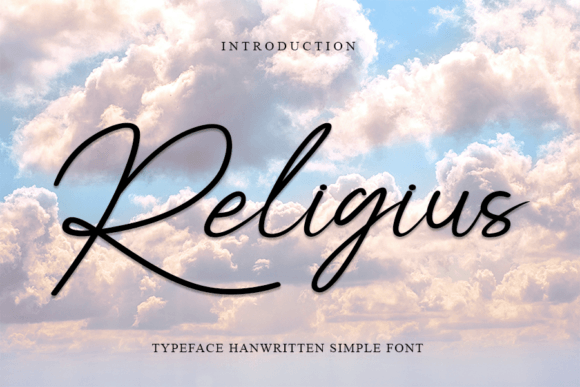
This font is particularly noted for its elegant curves and delicate strokes. These features give it a "magical" quality, as described in its foundational design philosophy. When applied correctly, Religius adds a layer of sophistication that elevates the perceived value of the content. It is not a font for high-density data or technical manuals; rather, it is a resource designed for contexts where atmosphere and emotion are paramount.
- Fluid Connectivity: The letterforms are designed to connect naturally, creating a sense of movement across the line.
- Variable Stroke Weight: Like traditional calligraphy, the font utilizes thick downstrokes and thin upstrokes to create visual interest.
- Ligature Support: Advanced kerning and built-in ligatures ensure that common letter pairs look harmonious and intentional.
However, these strengths come with specific requirements. Using Religius requires a keen eye for spacing and alignment. Because the font relies heavily on the interaction between characters, improper kerning can quickly turn an elegant design into a cluttered mess. This makes it a more advanced choice compared to simpler, standalone script fonts that require less attention to detail.
Comparative Analysis: Religius Versus Standard Script Options
When comparing Religius to other options in the script category, the differences become apparent in terms of versatility and usage scenarios. Most standard script fonts fall into two camps: formal, highly structured scripts (like Edwardian Script) and casual, handwritten styles (like Brush Script). Religius occupies a middle ground, leaning towards the formal but retaining a relaxed, artistic vibe.
For users exploring alternatives, it is important to consider the readability tradeoff. While Religius is beautiful, it generally offers lower readability than blockier scripts when used in small sizes or low-resolution environments. In contrast, some alternative "handwritten" fonts prioritize clarity over flourishes, making them better suited for body text or instructional content. If your goal is to write a paragraph of text, Religius is likely the wrong choice, whereas a dedicated handwriting font might be superior.
Furthermore, the contextual fit varies significantly. Religius excels in vertical layouts and headline-heavy designs where the font can act as a visual anchor. Competing fonts that lack the same level of vertical variation may appear flat in these situations. However, for horizontal scrolling interfaces or mobile-first designs, the complexity of Religius might introduce rendering issues or visual noise that detracts from the user experience.
Another critical factor in this comparison is the licensing and compatibility. As with any specialized font, ensuring that Religius is compatible with your chosen software ecosystem is vital. Some script fonts are optimized specifically for print workflows, while others are web-font optimized. Evaluating whether Religius supports the necessary OpenType features for your workflow—such as swashes, stylistic sets, and discretionary ligatures—is crucial before making a final selection.
Practical Applications and Best-Fit Scenarios
Determining when to use Religius requires a clear understanding of the project's goals. This font is not a universal solution; it is a targeted tool for specific creative challenges. The following scenarios represent the best-fit situations where Religius shines:
- Social Media Graphics: For platforms like Instagram, where visual impact is immediate, Religius can turn a simple quote or announcement into a true piece of art. Its elegance draws the eye, making it ideal for lifestyle brands, boutiques, and personal portfolios.
- DIY Project Customization: Enthusiasts creating physical crafts, such as scrapbooking, custom invitations, or handmade signage, will find Religius invaluable. The font's ability to mimic high-end calligraphy allows DIY creators to achieve professional results without years of practice.
- Event Branding: Weddings, galas, and high-end corporate events often require a tone of exclusivity. Religius provides the necessary gravitas to establish a premium atmosphere for event materials.
- Logo Design: For businesses in the fashion, beauty, or artisanal food sectors, a script logo can communicate craftsmanship. Religius offers the distinctiveness needed to stand out in crowded marketplaces.
In each of these cases, the font serves as a focal point. It is rarely used in conjunction with another complex font. Instead, it is typically paired with a clean, minimalist sans-serif to balance the visual weight. This pairing strategy ensures that the elegance of Religius is highlighted without overwhelming the viewer.
Limitations and Decision Factors
Despite its aesthetic appeal, Religius is not without limitations. One of the primary constraints is its accessibility. Users with visual impairments may struggle to distinguish certain characters within the script due to the decorative elements. Additionally, screen readers do not interpret script fonts well, which can be a significant hurdle for web accessibility compliance.
There is also the issue of trend susceptibility. Highly stylized fonts can sometimes feel dated if they are too closely tied to a specific era of design trends. While Religius is designed with timelessness in mind, relying solely on it for long-term branding strategies might limit future flexibility. Brands that need to pivot their image frequently may find a more neutral script a safer investment.
When evaluating Religius against other resources, consider the technical skill required. A novice designer might find the font difficult to manage, leading to poor spacing or awkward line breaks. Conversely, an experienced typographer can leverage its full potential to create stunning compositions. Therefore, the decision to adopt Religius should also factor in the skill level of the team executing the project.
Making the Final Choice
The choice to incorporate Religius into a project ultimately depends on the specific needs of the audience and the message being conveyed. If the goal is to evoke emotion, suggest luxury, or add a human touch to a digital interface, Religius is a powerful asset. It transforms ordinary text into a visual experience that resonates with viewers on an emotional level.
However, if the priority is maximum readability, broad accessibility, or cost-effective versatility across multiple mediums, other options might serve the purpose better. There is no single "best" font; there is only the best font for the job. By carefully analyzing the strengths, tradeoffs, and intended use cases, designers and creators can make informed decisions that elevate their work.
For those ready to explore the possibilities of Religius, the key is experimentation. Test the font in various sizes, pairings, and contexts to see how it performs in real-world applications. Whether you are crafting a digital campaign or a physical masterpiece, understanding the nuances of this magical script font will ensure that your creative ideas are realized with the precision and elegance they deserve.