Evaluating Rosmerta: A Vintage Script for Refined Design
In the expansive landscape of digital and print typography, selecting the right typeface is often the difference between a design that feels generic and one that resonates with specific emotional cues. Among the many options available to designers and content creators, Rosmerta stands out as a distinct choice for projects requiring a blend of vintage charm and modern readability. This article provides an objective evaluation of the Rosmerta font, exploring its characteristics, ideal use cases, and practical considerations to help you determine if it aligns with your design goals.
Understanding the Rosmerta Typeface
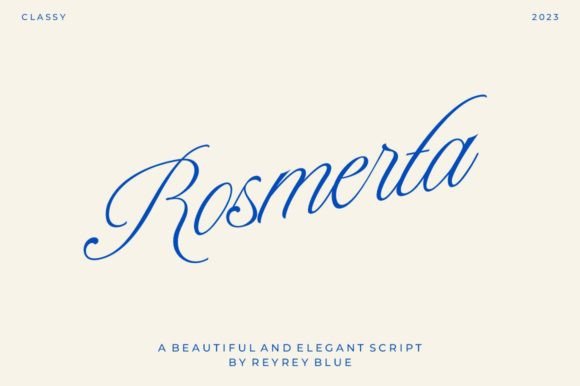
Rosmerta is classified as a script typeface, but it diverges significantly from casual handwriting styles or modern calligraphy fonts. Instead, it is designed with a focus on elegance and sophistication. The visual identity of Rosmerta is defined by thin, graceful letterforms that mimic the fluidity of a fine nib pen while maintaining a structured, almost architectural consistency. This aesthetic creates a sense of timeless beauty, evoking a nostalgic atmosphere without appearing dated or overly ornate.
The font's name itself suggests a connection to classical themes, and this is reflected in its execution. Unlike scripts that rely heavily on heavy swashes or exaggerated flourishes, Rosmerta relies on the quality of its stroke contrast and the spacing between characters. The result is a typeface that exudes a classy, vintage allure. It captures the essence of early 20th-century editorial design, making it a compelling option for brands or individuals seeking to project an image of refinement and grace.
Key Characteristics and Visual Appeal
When evaluating Rosmerta, several specific traits define its utility and aesthetic impact:
- Thin Stroke Weight: The defining feature of Rosmerta is its delicate line weight. This lightness allows it to convey delicacy and femininity, though it requires careful handling in terms of size and background contrast to ensure legibility.
- Graceful Ligatures: The connections between letters are smooth and natural, avoiding the jagged transitions found in some digital scripts. This contributes to the "handwritten" feel while retaining the precision of a digital font file.
- Vintage Proportions: The character widths and ascenders/descenders are tuned to reflect historical standards of typography, giving text blocks a classic, authoritative presence.
- Emphasis on Readability: Despite its decorative nature, Rosmerta maintains a level of clarity that makes it suitable for short-to-medium length text, rather than long-form body copy.
Ideal Applications for Rosmerta
Determining where to use Rosmerta effectively requires understanding the contexts where its specific strengths shine. Because of its refined and nostalgic nature, it is particularly well-suited for projects where atmosphere and tone are paramount.
Wedding and Event Invitations
The most common application for Rosmerta is in the realm of weddings and formal events. Its elegant script style pairs exceptionally well with floral motifs and minimalist layouts. For wedding invitations, save-the-dates, or menu cards, Rosmerta can establish a romantic and sophisticated mood immediately. The thin lines allow for intricate details in the surrounding graphics to remain visible without competing with the typography.
Branding for Luxury Goods
Brands that wish to position themselves as premium, artisanal, or heritage-focused often turn to script fonts like Rosmerta. It is a strong fit for boutique fashion labels, high-end cosmetic packaging, or specialty food products such as artisanal chocolates or teas. In these scenarios, the font acts as a visual shorthand for quality and exclusivity.
Editorial and Print Design
In magazine layouts, book covers, or editorial headers, Rosmerta serves as an excellent display font. It can be used to highlight pull quotes, chapter titles, or section headers. The vintage aesthetic adds a layer of storytelling depth, suggesting that the content within has substance and history.
Critical Considerations and Tradeoffs
While Rosmerta offers significant aesthetic benefits, it is not a universal solution. Designers must weigh several tradeoffs before integrating it into a project.
Legibility Constraints
The primary limitation of Rosmerta is its thin stroke weight. When scaled down too small, the delicate lines may disappear or become blurry, particularly on lower-resolution screens or when printed on textured paper. Furthermore, because it is a script font, it is generally unsuitable for large blocks of body text. Using it for paragraphs can reduce reading speed and cause eye strain due to the irregular baseline and varying letter shapes.
Contextual Appropriateness
The vintage and feminine connotations of Rosmerta may clash with certain brand identities. If a project aims for a rugged, industrial, or ultra-modern aesthetic, Rosmerta will likely feel out of place. It carries a specific emotional weight that does not translate well to corporate technology, construction, or sports-related industries.
Technical Compatibility
As with many specialized display fonts, ensuring cross-platform compatibility is essential. While modern web fonts (WOFF/WOFF2) have mitigated many issues, it is important to test Rosmerta across different browsers and devices. On mobile screens, the thin strokes may render inconsistently if the font file is not optimized correctly.
Alternatives and Comparative Analysis
If Rosmerta does not fully meet the requirements of a project, several alternatives exist depending on the specific goal:
- For Increased Legibility: If the goal is to maintain a script look but improve readability for longer texts, consider pairing Rosmerta with a clean sans-serif body font or looking at more robust script families like Pinyon Script or Gloria Hallelujah.
- For a Modern Twist: Brands seeking a similar vibe but with a contemporary edge might explore variable fonts or geometric scripts that retain elegance without the heavy vintage influence.
- For Heavy Contrast: If the design requires bold statements that stand out on low-contrast backgrounds, a bolder version of a script font or a serif typeface with high contrast may be more effective.
Decision-Making Insights
To decide whether Rosmerta is the right choice, designers should ask specific questions regarding their project constraints:
- What is the primary message? Does the content require a tone of nostalgia, romance, and luxury? If yes, Rosmerta is a strong candidate.
- Where will the font appear? Is it intended for a high-resolution print piece or a mobile-first website? For print, the thin lines are an asset; for mobile, they may require larger sizing or higher contrast backgrounds.
- How much text is involved? If the usage is limited to headlines, logos, or short phrases, Rosmerta excels. If extensive body copy is needed, it should be avoided.
- What is the target audience? Will the audience respond positively to a classic, perhaps slightly old-fashioned aesthetic, or do they prefer a cleaner, more neutral look?
Rosmerta is a versatile tool for the designer's toolkit, offering a unique blend of grace and vintage appeal. By carefully considering its limitations regarding legibility and context, users can leverage its strengths to create designs that feel both timeless and intentional. Whether for a wedding invitation or a luxury brand logo, Rosmerta brings a sense of refined charm that elevates the overall perception of the work.