Frester Easter Duo: A Balanced Guide to Elevating Your Designs
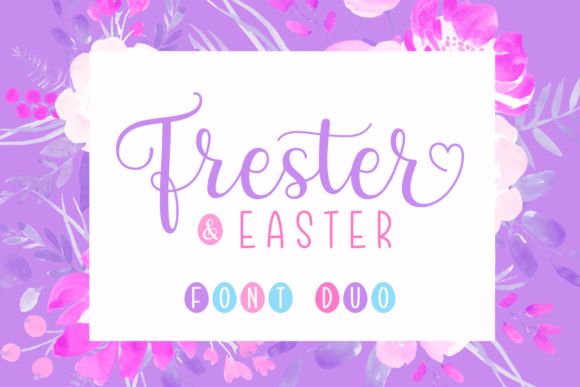
When you are looking for a font that can instantly transform a project from mundane to memorable, the Frester Easter Duo stands out as a versatile solution. This isn't just another collection of characters; it is a carefully crafted pair consisting of an elegant script and a striking serif. The beauty of this duo lies in its duality. You can blend them together for a sophisticated hierarchy, or rely on either style individually to make a bold statement. Whether you are a freelancer redesigning a client's brand, a blogger seeking a unique voice, or a small business owner launching a seasonal campaign, understanding how to use these typefaces correctly is crucial for achieving professional results.
Many designers rush into downloading new fonts without considering how they will interact with their specific content. With Frester Easter Duo, the temptation is often to overuse the script because it looks beautiful. However, using every element at full volume can lead to visual fatigue. The real power of this font pair comes from restraint and strategic pairing. By learning where others stumble, you can ensure your designs remain legible, accessible, and aesthetically pleasing.
The Trap of Over-Scripting
One of the most common mistakes I see with elegant scripts like the one found in Frester Easter is the belief that more cursive equals more elegance. While the script version is undeniably graceful, applying it to long paragraphs of text is a recipe for disaster. Scripts are designed for impact, not endurance. When you force a reader to decipher complex letterforms for extended periods, comprehension drops, and frustration rises.
If you are creating a blog post, a brochure, or a website landing page, avoid using the script for body copy. Instead, reserve it for headlines, pull quotes, or short labels. The serif component of the duo is your workhorse here. It offers high readability while maintaining a strong, classic character. By switching between the two, you create a rhythm that guides the eye naturally through your content. Think of the script as the spotlight and the serif as the stage lighting; both are necessary, but neither should dominate the entire performance.
Understanding Legibility vs. Decoration
It is important to distinguish between decorative appeal and functional communication. A design might look stunning in a mockup, but if users cannot read the call-to-action button because the font is too ornate, the design has failed its primary purpose. Before finalizing any layout involving Frester Easter Duo, test your typography at actual sizes. What looks grand on a large monitor might become illegible on a mobile device screen.
- Check contrast: Ensure the script does not blend into the background due to thin strokes.
- Measure spacing: Script fonts often require tighter kerning than serifs to prevent gaps between letters from becoming distracting holes.
- Limit weight: Avoid mixing multiple weights of the same family unless the difference is stark enough to establish clear hierarchy.
Misjudging the Contextual Fit
Another pitfall occurs when creators choose a font based solely on trends rather than brand identity. The Frester Easter Duo carries a specific energy—it is festive, refined, and slightly whimsical yet grounded by its serif counterpart. Using this combination for a corporate legal document or a technical manual would be a mismatch. The tone would feel incongruous, potentially undermining the authority of the message.
This font duo excels in contexts that benefit from a personal touch or a celebratory mood. It is ideal for wedding invitations, holiday marketing campaigns, boutique branding, and creative portfolios. If you are an entrepreneur trying to sell artisanal goods, this font can communicate craftsmanship. However, if you are selling software or financial services, a more neutral sans-serif might serve you better. Always ask yourself: does this font reflect the personality of the product or service I am offering?
To avoid this disconnect, create a simple mood board before committing to the font. Gather images, color palettes, and other design elements that represent your project. Place the Frester Easter Duo alongside them. Does it feel like it belongs? If the answer is yes, you are on the right track. If it feels like an outlier, reconsider your choice.
Neglecting Technical Compatibility
Even the most beautiful font will fail if it does not function correctly across different platforms. A frequent oversight among beginners is assuming that a downloaded font file will automatically render correctly everywhere. Web browsers, email clients, and print software all handle fonts differently. If you do not properly embed or link the Frester Easter Duo files, users may see a fallback font that completely changes the look of your design.
For web projects, you must ensure you have the correct webfont licenses and implementation methods (such as @font-face) set up. For print projects, verify that the font supports the necessary character sets, especially if your content includes special symbols or non-standard punctuation. Ignoring these technical details can lead to wasted time reworking designs later or, worse, a final product that looks unprofessional.
- Verify licensing: Check whether your license covers web usage, print, and commercial modification.
- Test across devices: View your design on iOS, Android, Windows, and Mac to ensure consistent rendering.
- Prepare backups: Always have a standard system font ready as a fallback in case the custom font fails to load.
Maximizing Value Through Versatility
Once you have avoided these common pitfalls, the Frester Easter Duo becomes a powerful tool for efficiency. Because the two styles complement each other so well, you can create entire brand identities using just this single purchase. This versatility saves money and simplifies your asset management. You don't need to hunt for a second font to balance the script; the serif is already there, perfectly matched in terms of x-height and stroke width.
Consider how you can layer these styles. Use the striking serif for subheadings to ground the design, and let the elegant script take center stage for the main title. Or, reverse the roles for a modern twist. The key is experimentation. Try combining them with different colors, textures, and layouts. You might find that the script looks best in a monochrome palette, while the serif shines with vibrant accents.
Ultimately, the goal is to create designs that communicate clearly and evoke the right emotion. By respecting the strengths and limitations of each style within the duo, you can produce work that stands out without sacrificing usability. Whether you are a seasoned designer or just starting your journey, taking the time to understand how Frester Easter Duo works allows you to harness its full potential. Make informed choices, test your assumptions, and let the typography do the heavy lifting for your story.