Ashtonjio Grahamte: A Comprehensive Evaluation for Luxury Design Projects
In the competitive landscape of visual communication, selecting the right typography is often the difference between a generic design and one that commands attention. For designers seeking a typeface that bridges the gap between traditional elegance and contemporary flair, Ashtonjio Grahamte has emerged as a significant option. Developed by Letterena, this font is categorized as a luxury script with distinct serif characteristics. This article provides an objective evaluation of Ashtonjio Grahamte, exploring its technical attributes, ideal use cases, and practical considerations to help you determine if it aligns with your specific project requirements.
Understanding the Typography: What is Ashtonjio Grahamte?
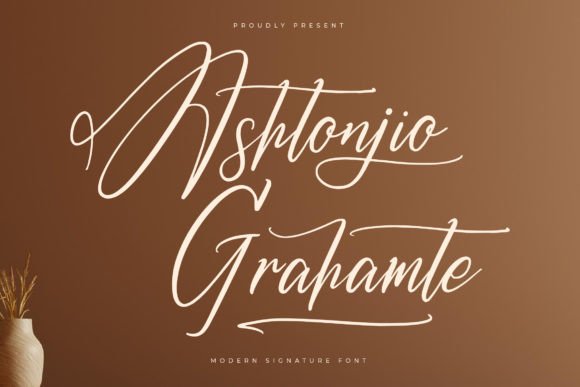
Ashtonjio Grahamte is not merely a standard cursive typeface; it is a specialized design tool intended to evoke a sense of high-end sophistication. As a luxury script font, it combines the fluidity of handwriting with the structural integrity of serif fonts. The "serif taste" mentioned in its description refers to the small decorative lines or strokes attached to the end of larger strokes in letters, which add weight and formality to the script flow.
The font is designed to function as a signature element. Its primary purpose is to mimic the look of a personal, handwritten endorsement while maintaining legibility and consistency across various media. Unlike casual brush scripts that may appear messy or informal, Ashtonjio Grahamte offers a curated aesthetic that suggests exclusivity and quality. It is built on the premise that the text itself should be a visual anchor for the brand or message it represents.
Strategic Applications in Branding and Identity
One of the primary reasons professionals evaluate Ashtonjio Grahamte is its versatility within branding projects. In the current market, consumers are increasingly drawn to brands that communicate heritage, craftsmanship, and personal touch. This font serves those goals effectively.
- Logo Design: The unique letterforms make it suitable for logo lockups where a custom, hand-crafted feel is desired. It can serve as the primary logotype for boutique businesses.
- Brand Consistency: Because it is a complete font family, it ensures that every instance of the name carries the same weight and style, reinforcing brand recognition.
- Name Cards and Invitations: In the realm of stationery, this font elevates the perceived value of the material. A business card printed with Ashtonjio Grahamte suggests that the individual behind the card values detail and aesthetics.
The font's ability to convey a "luxury serif taste" makes it particularly effective for industries such as fashion, beauty, and high-end hospitality. When applied to product packaging or shopping bags, the typography acts as a silent salesperson, signaling premium quality before the consumer even reads the product details.
Practical Considerations for Implementation
While the aesthetic appeal of Ashtonjio Grahamte is evident, practical implementation requires careful planning. Designers must consider how the font interacts with other elements on a page or product.
Legibility and Readability: Script fonts, by their nature, present challenges regarding readability compared to sans-serif or slab-serif options. While Ashtonjio Grahamte is designed for clarity, it is best used for headlines, titles, or short phrases rather than body text. Using it for long paragraphs of copy will likely reduce comprehension and user engagement. The optimal approach is to pair it with a clean, neutral sans-serif font for supporting text, creating a balanced hierarchy.
Medium-Specific Performance: The font excels in digital and print environments where resolution is high. On high-definition screens, posters, and mugs, the fine details of the serifs are preserved. However, when scaling down to very small sizes, such as on a mobile notification icon or a tiny watermark, the intricate details may become indistinct. Designers should test the font at various scales to ensure the character remains recognizable.
Evaluating Fit: When to Choose Ashtonjio Grahamte
Deciding to incorporate this font into a workflow depends heavily on the emotional resonance required for the project. It is a strong fit for situations where the goal is to create an atmosphere of intimacy and prestige.
- Special Events: For wedding invitations, anniversary cards, or gala announcements, the font captures the celebratory and formal tone required.
- Photography Watermarks: Photographers looking to brand their work without overpowering the image will find the script style effective. It adds a layer of artistic identity that feels personal yet professional.
- Book Covers and Labels: In publishing and artisanal goods, the font helps distinguish a product from mass-market alternatives. It suggests a story or a narrative, which is crucial for book covers and specialty food labels.
- Apparel and Merchandise: For t-shirts and homeware designs, it offers a stylish alternative to blocky text, allowing for designs that feel more like art pieces than advertisements.
Tradeoffs and Alternative Considerations
No single typeface is universally perfect. While Ashtonjio Grahamte offers a distinct luxury appeal, there are scenarios where it may not be the most appropriate choice. Understanding these limitations is crucial for making informed design decisions.
If a project requires a modern, minimalist, or tech-forward aesthetic, a script font might introduce an unwanted element of tradition or softness. Brands aiming for a corporate, authoritative, or utilitarian image might find the flourishes of a luxury script too distracting or informal.
Furthermore, availability and licensing are important factors. Before committing to a project, designers must verify the licensing terms provided by Letterena. Some luxury fonts have restrictions on commercial usage, web embedding, or merchandise production. Additionally, if the target audience includes individuals with visual impairments, the complex curves and serifs of a script font could pose accessibility challenges compared to simpler, high-contrast typefaces.
In cases where a similar aesthetic is needed but with different constraints, alternatives might include other serif-heavy scripts or custom calligraphy services. If the goal is purely functional luxury without the script style, a high-quality serif display font (like a Didone) might offer the necessary gravitas with better legibility for longer texts.
Conclusion: Aligning Font Choice with Project Goals
Selecting typography is a strategic decision that impacts the perception of any creative output. Ashtonjio Grahamte stands out as a robust option for designers targeting the luxury market. Its blend of script fluidity and serif structure allows it to perform well in diverse applications, from intimate greeting cards to bold product packaging.
However, success with this font relies on disciplined application. It should be treated as a headline or accent tool rather than a general-purpose text. By pairing it thoughtfully with complementary typefaces and testing its performance across different mediums, designers can leverage its unique character to elevate their projects. Ultimately, if the goal is to infuse a project with a sense of refined elegance and personal signature, Ashtonjio Grahamte is a compelling candidate worthy of consideration.